Alpha-gal Syndrome in Massachusetts: When a Tick Bite Can Lead to a Food Allergy
A favorite burger. A weekend steak. Bacon with breakfast. These may be foods you have enjoyed for years—until an unexpected allergy changes what belongs on your plate.
Alpha-gal syndrome can make someone allergic to meat from mammals, including beef and pork, after a tick bite. For people who regularly eat these foods, the adjustment can be significant. The connection can also be easy to miss: a reaction may not begin until hours after the meal.
Understanding that pattern is especially useful here in Massachusetts, where public-health officials are paying closer attention to this unusual food allergy.
How can a tick bite change what you can eat?
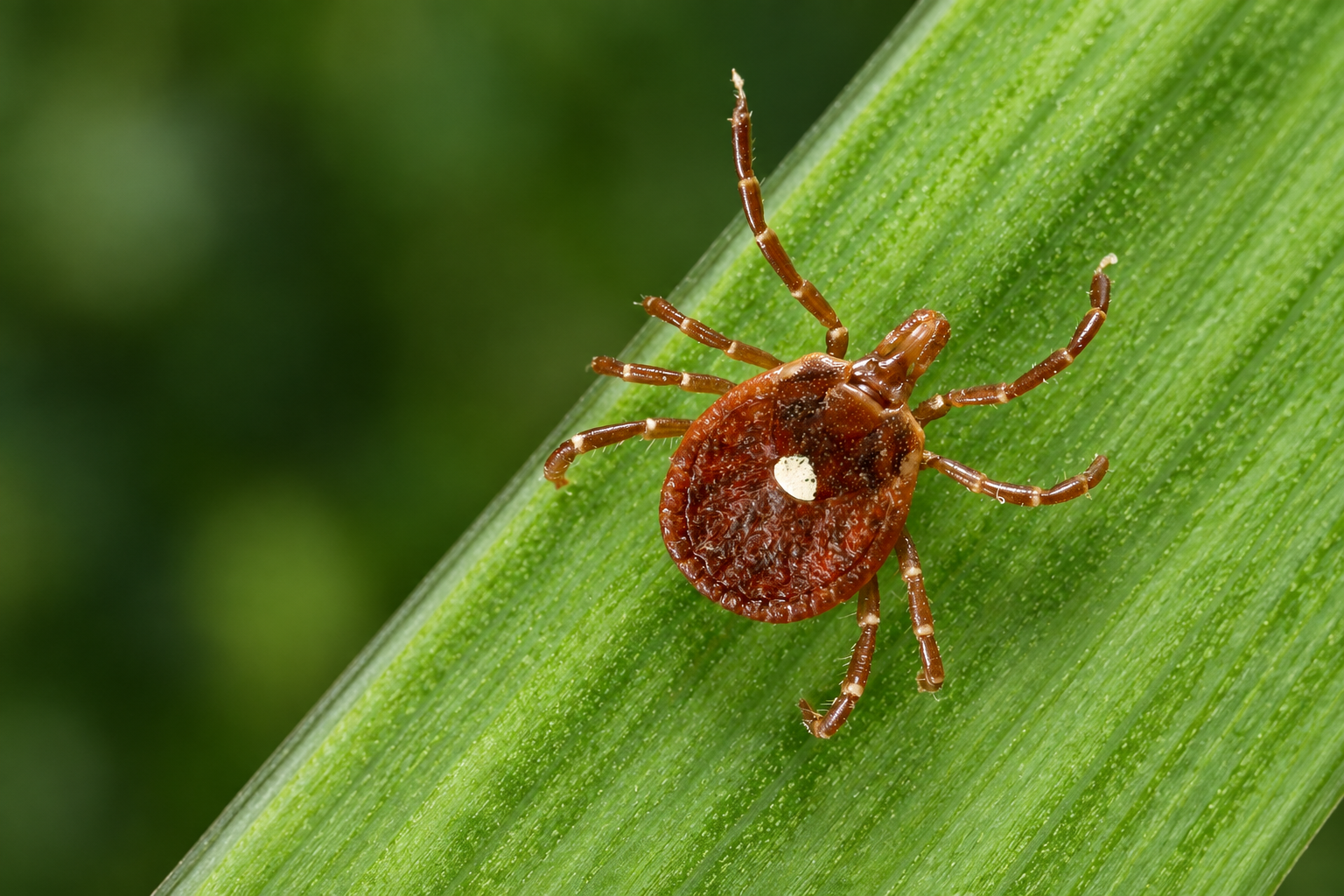
Alpha-gal is a sugar molecule found in most mammals. A tick bite can trigger an immune response to it, leading to allergic reactions when a person later eats mammalian meat or encounters other products containing alpha-gal. In the United States, the lone star tick is most often associated with the condition.
Not everyone bitten by a tick develops this allergy. Alpha-gal syndrome is an allergic condition, not a virus. Learn more in the CDC’s overview of alpha-gal syndrome.
Does that mean no more steak—and what about pork?
Pork counts, too. Alpha-gal is found in the meat of all non-primate mammals. The important distinction is whether the food comes from a mammal, rather than whether we call it “red meat” or “white meat.” Even cooking does not reliably eliminate the allergen.
- Meats that contain alpha-gal: beef, pork, lamb, venison, elk and rabbit.
- Foods that do not naturally contain alpha-gal: chicken, turkey, other poultry, fish, shellfish and eggs.
- Other ingredients to discuss with your allergist: mammalian gelatin, lard, beef tallow and meat-based broths. Dairy contains alpha-gal, although many people with the syndrome tolerate it.
Preparation matters: chicken served with pork gravy is different from plain chicken. These distinctions concern alpha-gal specifically; separate food allergies still matter. Your allergist can help you decide what to avoid without unnecessarily restricting your diet. See the CDC’s guide to foods and products containing alpha-gal.
Why this matters in Massachusetts and New England
On Martha’s Vineyard, public-health officials have reported increasing lone star tick abundance and greater recognition of alpha-gal syndrome. In March 2026, Massachusetts made new clinical diagnoses and positive alpha-gal antibody tests reportable to public-health authorities.
That helps officials understand the problem more accurately. A positive test alone does not establish that someone has the syndrome, and repeat tests should not be mistaken for additional patients. The Dukes County public-health update explains why symptoms and testing need to be considered together.
The timing can be a clue
Symptoms commonly begin two to six hours after eating foods containing alpha-gal. Someone might feel fine at dinner, then develop hives or stomach pain later that evening.
Reactions can include an itchy rash, nausea, vomiting, diarrhea or abdominal pain. More serious symptoms include breathing difficulty, swelling or faintness. Symptoms and severity can differ between episodes. Read the CDC’s symptom guidance.
Call 911 for a severe allergic reaction, including trouble breathing, throat swelling or fainting. If prescribed epinephrine, use it as directed and seek emergency care. Do not wait for an office appointment.
Start with the history
For a nonurgent allergy evaluation, bring a simple record of:
- What you ate and when.
- When symptoms began and how long they lasted.
- Recent tick bites or outdoor exposure.
- Medications taken and any similar episodes.
Diagnosis combines your history with appropriate testing. Routine screening without symptoms is not recommended in the local public-health guidance.
A practical next step
Preventing tick bites helps reduce risk. If you are experiencing delayed reactions after meals, an allergy evaluation can help clarify the cause and what changes you may need.
Explore NEAAI’s Massachusetts locations and contact our scheduling team to discuss an appointment. A familiar meal should not leave you guessing about your symptoms.